Upcoming Code Editor Upgrade to Monaco!
· One min read

We are nearing completion on transitioning our Code Editor from CodeMirror to Monaco, the powerhouse behind the immensely popular Visual Studio Code.
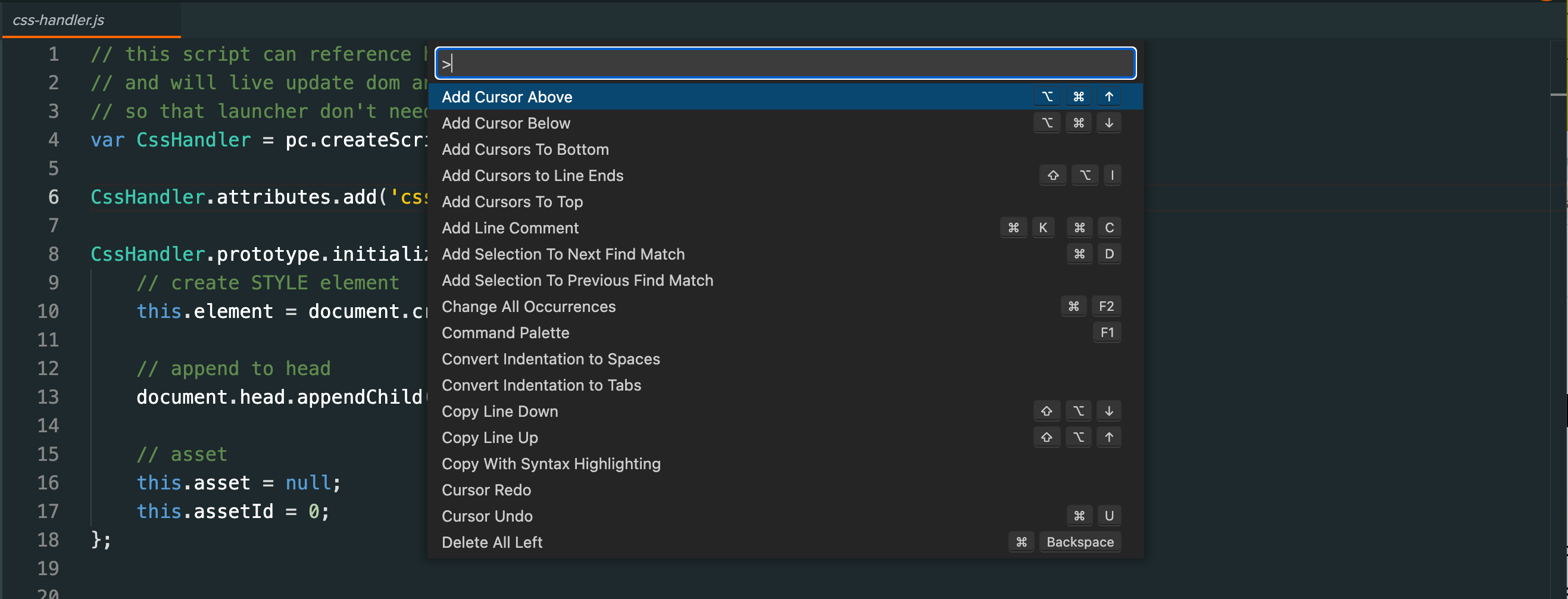 Look familiar? 👀
We are nearing completion on transitioning our Code Editor from CodeMirror to Monaco, the powerhouse behind the immensely popular Visual Studio Code.
Look familiar? 👀
Over the past few months, we have been developing an Editor API that allows users to automate tedious tasks and enhance the base functionality.
We are excited to announce the beta release of the API today and are eager to see how the PlayCanvas community will leverage it to enhance their workflows!
Up to now, our process for releasing new features and fixes to the PlayCanvas Engine and Editor has been rather simple.
As features and fixes are ready, we would plan a release and test against a comprehensive list of PlayCanvas projects and the Engine examples. Once testing is passed, it would be released to everyone that is using the playcanvas.com service and Editor.
This has served us well for many years and meant that users always had the latest features of the Engine.
However, as the features of the Engine are get bigger and more complex and users' projects grow in scale and size, this release process needs to change to match our users' needs for stability and transparency with releases.
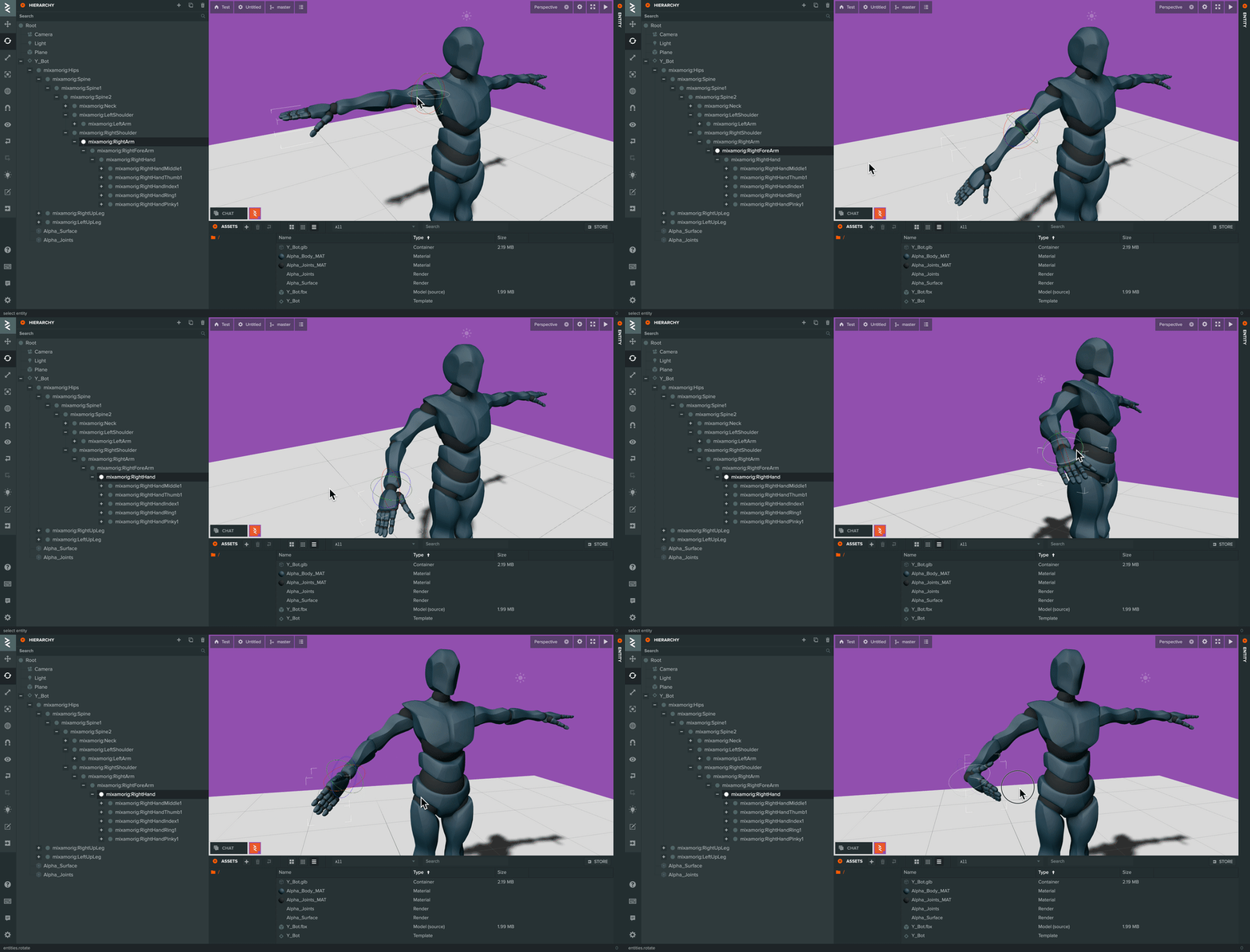
The PlayCanvas team are very excited to fully release the Import Hierarchy pipeline feature in the PlayCanvas Editor!
We have been made aware of a critical issue regarding WebGL content and the release of macOS Safari 15 earlier this week where previously published content could fail to load.
We are very excited to release our very first showcase reel, showing some of the very best WebGL browser games and experiences made with PlayCanvas to date!
Hi everyone!
This is a different blog post to what we normally do but with some big changes coming soon, we wanted to give context and advance notice of said changes and more importantly, how they may affect you across the PlayCanvas platform.
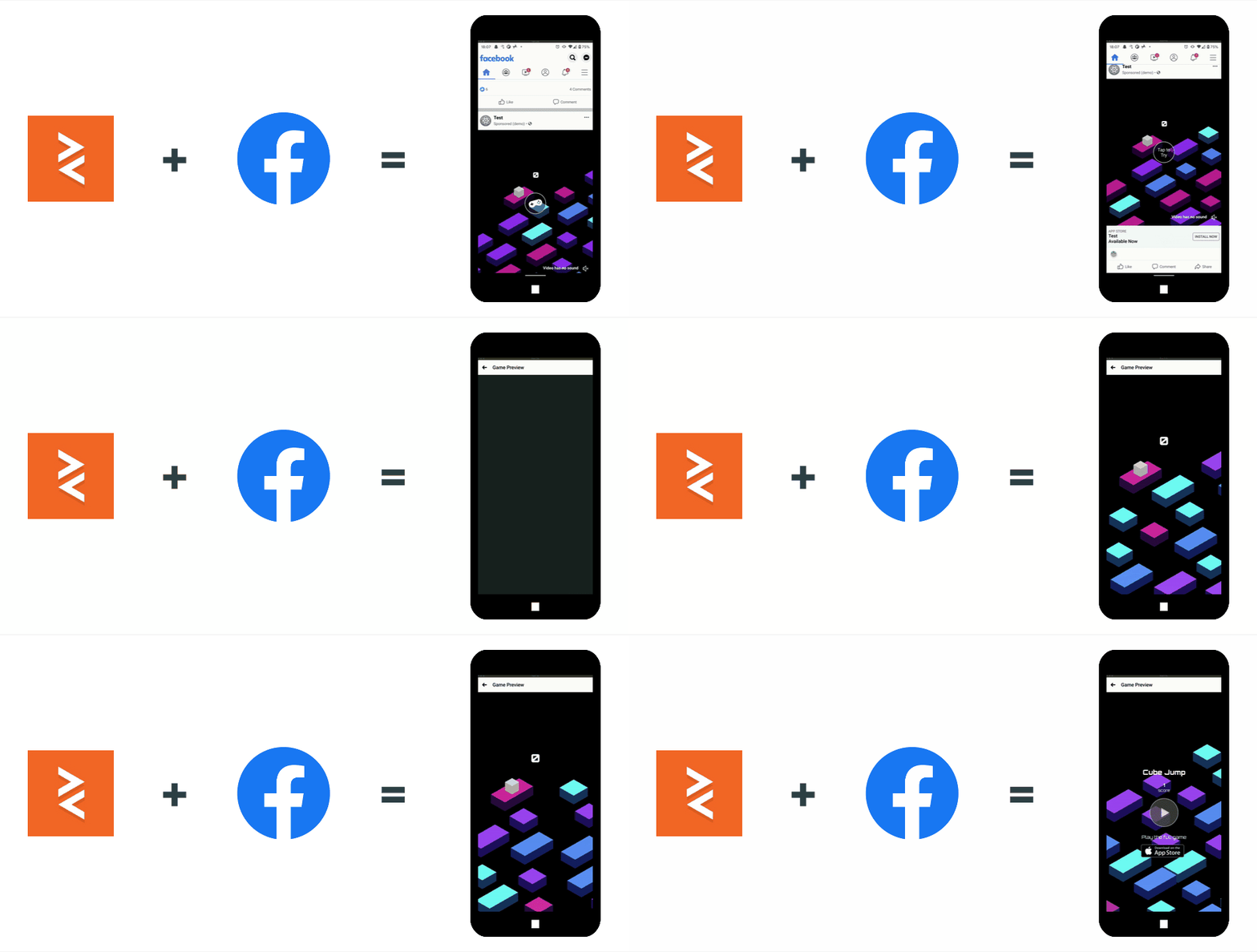
PlayCanvas are very excited to announce official support for Facebook Playable Ads! 🚀
PlayCanvas implemented the fantastic hardware texture compression workflow in 2016 which allowed users to build bigger and better WebGL apps, even on low memory devices like mobile phones.
JPGs and PNGs are great formats for transmission over a network because they tend to compress nicely. But once the images are downloaded and handed over to WebGL, they must decompressed to raw RGB(A) data. Using hardware compressed textures is important as decompression is performed in silicon on the GPU which avoids the need to utilize lots of memory.
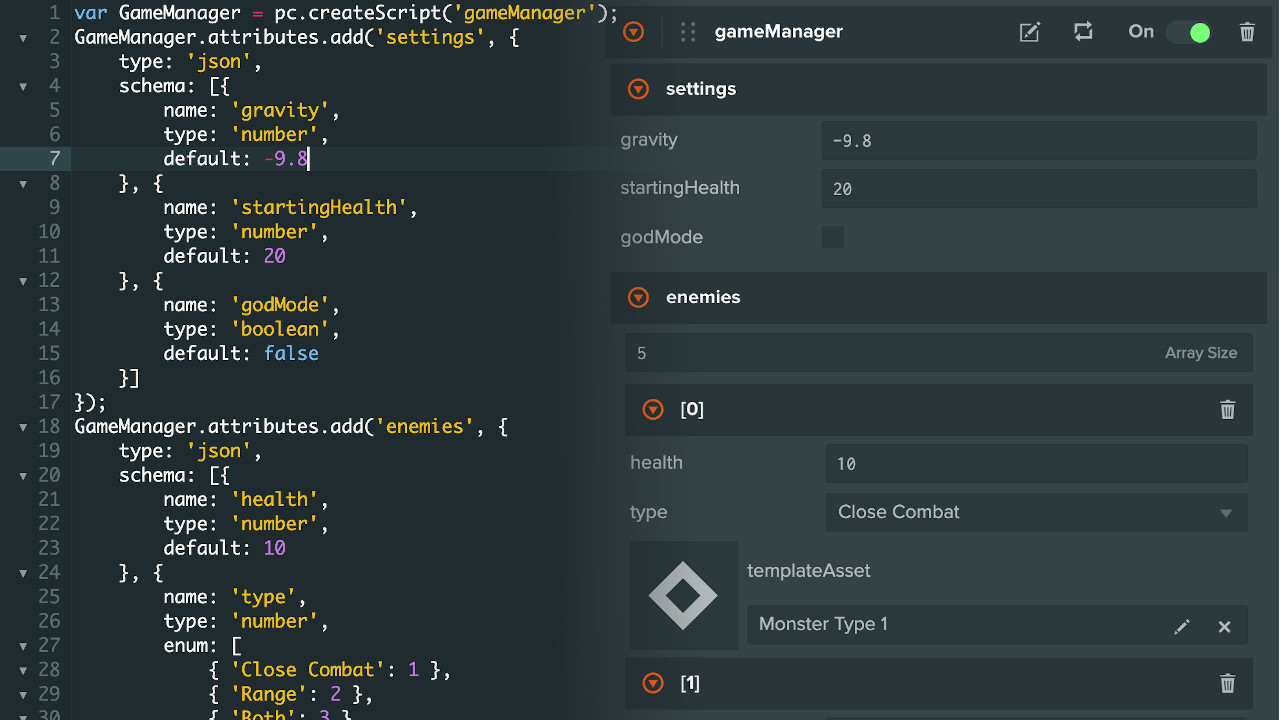
We have levelled up the Script Attributes that makes it much easier to organize and group related attributes together.