Will Eastcott is an entrepreneur and veteran technologist of the games industry with experience at EA, Sony, and Activision. He has been credited in many AAA game franchises such as GTA, Call of Duty and Max Payne. He is best known for co-founding PlayCanvas, the web graphics creation platform. As CEO, he has championed the company's mission to make graphical web app development more accessible and collaborative through open-source technologies and cloud-based tools.

View all authors

Porting a Large ES5 JavaScript Library to ES6 Modules and Rollup

· 5 min read

Since 2011, the PlayCanvas engine sourcebase has adhered strictly to the ES5 JavaScript specification. Since then, the JavaScript language and the surrounding tools ecosystem has moved on considerably. But PlayCanvas has steadfastly stuck to ES5. Why? Internet Explorer 11.

IE11 was released on October 17, 2013. But even today, StatCounter reports that IE11 has 2.43% of the global desktop browser market. Since PlayCanvas content is viewed by 100s of millions of end users, this is a pretty big deal.

Introducing the PlayCanvas Localization System

· One min read

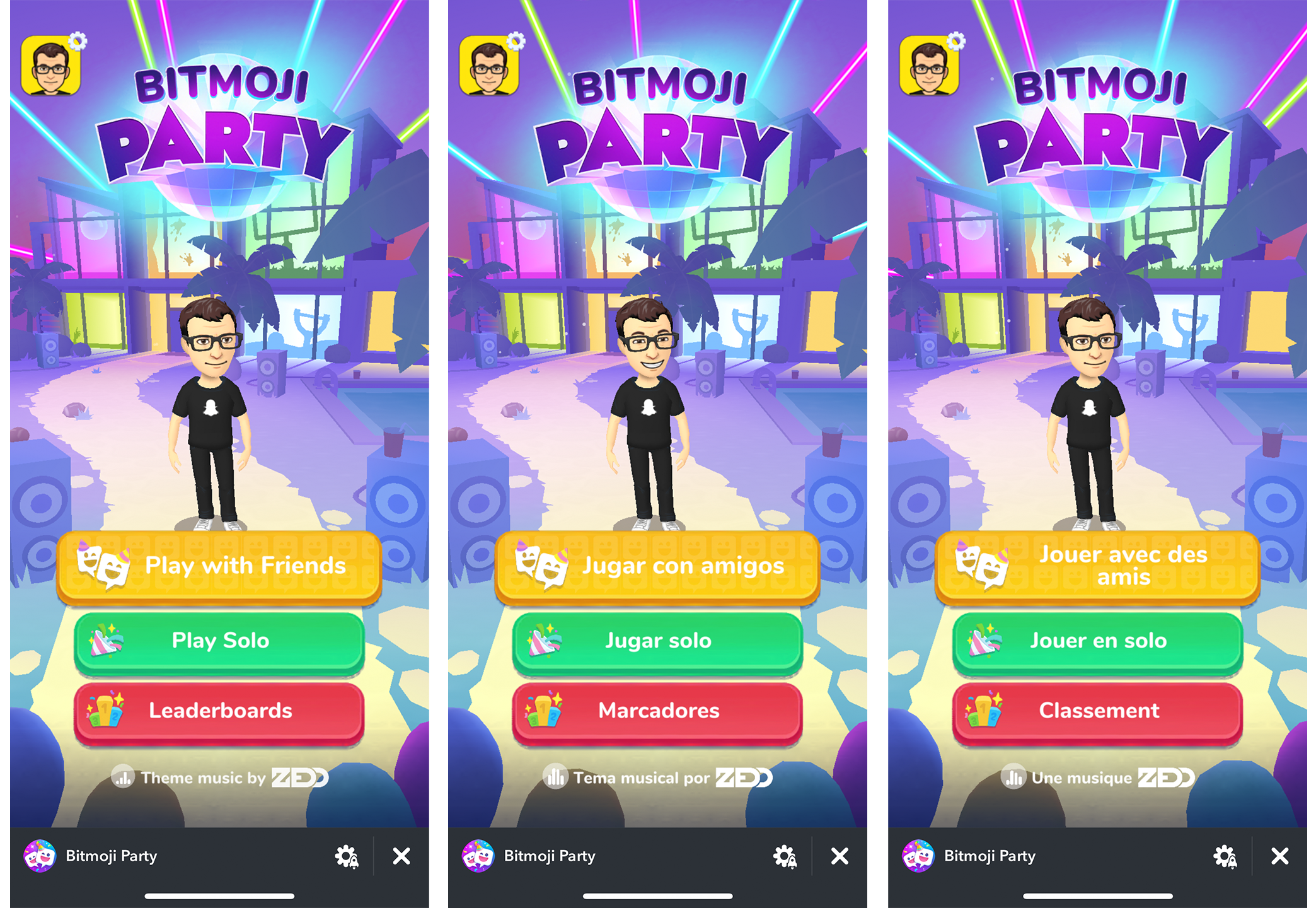
Are you shipping your PlayCanvas app or game in just one language? You may be preventing international users from enjoying it! Today, we are happy to announce the arrival of a localization system built right into the PlayCanvas Editor!

Bitmoji Party Localized
PlayCanvas-powered Bitmoji Party localized into English, Spanish and French

Arm and PlayCanvas Open Source Seemore WebGL Demo

· 2 min read

Cambridge/Santa Monica, August 1 2019 - Arm and PlayCanvas are announcing the open sourcing of the renowned Seemore WebGL demo. First published in 2016, the graphical technical demo has been completely rebuilt from the ground up to deliver even more incredible performance and visuals. With it, developers are empowered to build their projects in the most optimized way, as well as using it to incorporate some of its performant features and components into their own projects.

Seemore Demo

Scene Launching Supercharged!

· 2 min read

Iterating on your PlayCanvas game just got a whole lot faster!

When you launch a scene from the PlayCanvas Editor, a set of assets has to be loaded. Non-script assets are loaded from the browser's memory cache. However, script assets each generate a round trip request to the server. For projects with a lot of scripts, the load time can be long and your ability to iterate is going to suffer.

Today, we're pleased to announce that we have deployed an update that introduces a lightning fast build step when you launch your scene that concatenates scripts into a single file. This means that only one HTTP request is made for scripts regardless of how many you have.

PlayCanvas Engine reaches 1.0.0!

· 2 min read

PlayCanvas was born 7 years ago, way back on 9th May 2011. In the early days, we were essentially prototyping, seeing what this amazing new WebGL API could do. By October 2011, we set up a source code repository and committed our first engine prototype. Right at the beginning, we adopted semantic versioning for naming our releases. Our initial commit generated engine v0.10.0. From that point onwards, we adopted a rapid release cadence, often publishing more than one release a week. The months and years passed, our team grew and feature after feature was integrated into the codebase. But through all that time, we never incremented the major version number. Why? Well, there were several reasons.

PlayCanvas to Support Flash Devs as Adobe Kills its Player

· 2 min read

Today, Adobe announced that it is to kill Flash by 2020.

Back in early 2011, we foresaw this event and started work on PlayCanvas. We knew that Flash would still be around for some years, but we also knew that building any replacement for content creators would be a titanic task. Over six years later, PlayCanvas has established itself as the go-to toolset for building WebGL-content. The browser-based Editor application is lightweight yet exceptionally powerful. The apps produced are super-lightweight and perform great even on older mobile devices. And our modern, cloud-based approach enables developers to collaborate and iterate like never before.

PlayCanvas Editor

Mozilla Launches WebGL 2 with PlayCanvas

· 2 min read

Today is a huge milestone for real-time graphics on the web. Mozilla has launched Firefox 51, the first browser to bring WebGL 2 to the masses. WebGL has been around since 2011, the year when PlayCanvas was founded. 6 years on, the open standard for web graphics has taken a huge leap forwards, exposing far more GPU capabilities to developers, making for ever richer, more beautiful experiences.

To mark the launch of WebGL 2, Mozilla and PlayCanvas have teamed up to build 'After the Flood'.